
Unlocking Small Business Productivity With AI Automation Software for Lead Generation and Sales
By Greg Mellott, BadAAAS
Small businesses face distinct productivity and growth challenges. Advances in artificial intelligence (AI) can deliver measurable gains in efficiency by automating lead generation and sales workflows. This article outlines how AI automation software improves operational capability, agility, and competitiveness.
This guide summarizes key features, implementation benefits, and practical integration strategies. Readers will learn how AI-powered lead capture, automated follow-ups, and analytics drive data-informed decisions and reduce routine workload.
Key Features
AI automation tools offer capabilities that streamline lead generation, automate sales tasks, and integrate with existing systems so teams can reallocate time to higher-value activities.
AI-Powered Lead Generation
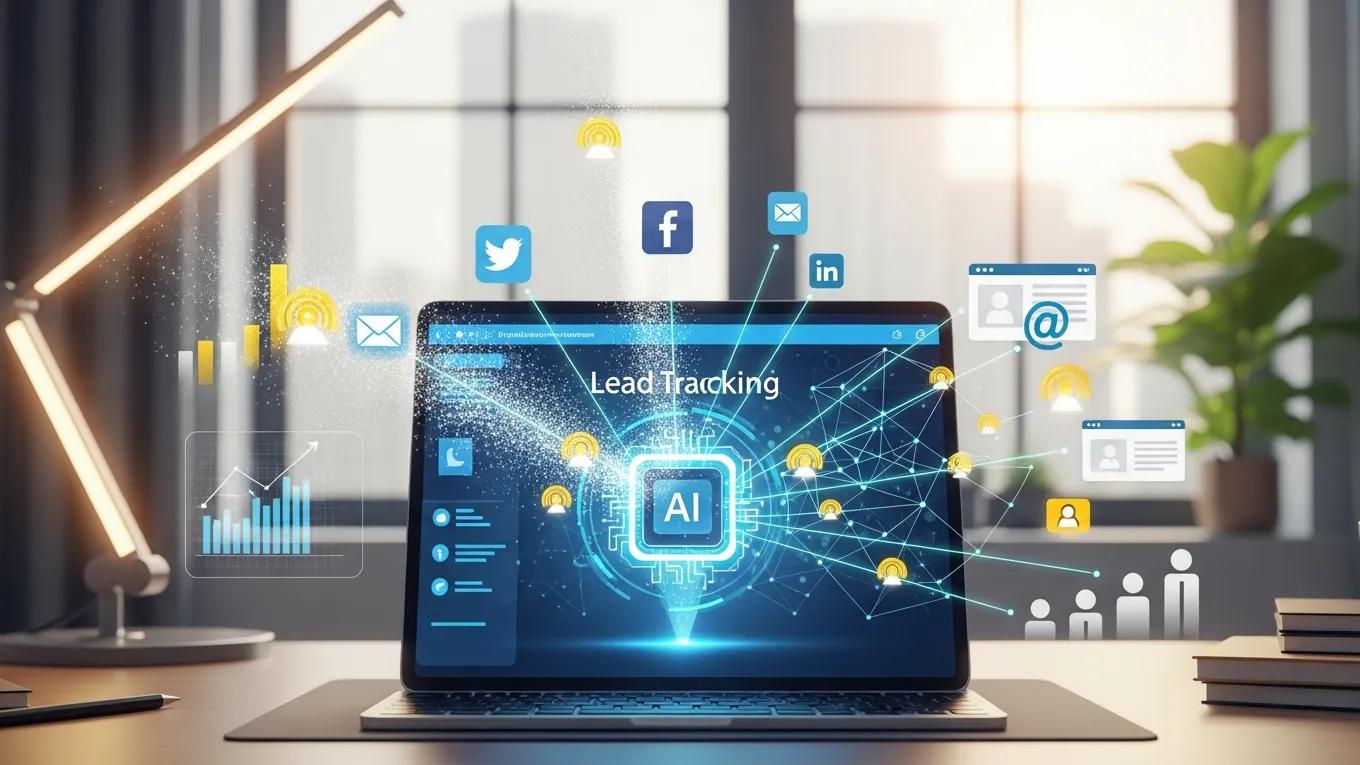
AI systems capture leads across channels and maintain a consistent pipeline. Algorithms surface prospects that match criteria, while real-time campaign optimization adjusts targeting and messaging to improve conversions.
AI Sales Agents
AI sales agents engage prospects continuously, qualify leads, and provide immediate responses. Automating these interactions reduces manual qualification time and provides a consistent customer experience.
Analytics and Insights
Analytics integration lets businesses analyze interactions and performance to identify trends, inform strategy, and prioritize actions that improve sales and marketing outcomes.
Automated Follow-Ups

Automated follow-ups nurture leads through the funnel with timely messages that reduce attrition. This minimizes routine work for sales teams so they can focus on complex relationships and closing deals.
Integration with Existing Systems
Connecting AI tools to CRMs and other systems enables seamless handoffs and centralized data, improving process flow and maximizing current infrastructure investments.
Benefits
AI automation delivers increased efficiency, higher conversion rates, and cost savings for small businesses.
- Increased Efficiency: Automates repetitive tasks so employees can focus on strategic work.
- Higher Conversion Rates: Better targeting and nurturing increase lead-to-sale conversion.
- Cost Savings and Scalability: Reduces labor for routine tasks and scales operations without proportional headcount increases.
For some businesses, AI-driven solutions such as those offered by BadAAAS can accelerate adoption. The company’s focus on streamlining lead generation and sales workflows helps small businesses compete more effectively.
Effective Implementation Strategies
Successful AI adoption follows a clear plan: define objectives, choose tools that fit your needs, train staff, monitor performance, and tap professional networks for support.
Define Clear Objectives
Set specific objectives and KPIs to ensure tools align with business goals and to measure success accurately.
Choose the Right Tools
Select AI solutions that match the organization’s size and requirements, and verify compatibility with existing systems before committing.
Training and Onboarding
Provide structured onboarding, documentation, and hands-on training so users adopt tools confidently and effectively.
Monitor and Optimize
Track performance metrics regularly, use analytics to spot issues, and iterate on workflows to maintain gains.
Engage with a Community
Participation in industry networks speeds learning and exposes teams to practical ideas that improve implementation and innovation.
How Does AI Automation Enhance Small Business Productivity?
AI automation reduces manual work, shortens process cycles, and saves time. By automating routine tasks and optimizing lead management with real-time data, businesses can focus on strategic priorities and customer relationships.
What Are Key Benefits of AI Automation for Small Businesses?
The primary benefits include:
- 24/7 Operations: Continuous engagement ensures leads are captured across time zones.
- Increased Efficiency: Automation shortens lengthy processes and boosts output.
- Cost Reduction: Lower operational costs free resources for strategic use.
Which AI Solutions Streamline Lead Generation and Sales Workflows?
AI sales agents, automated follow-up systems, and integrated lead-tracking tools keep leads moving through the purchasing journey and simplify sales operations.
What Are Effective AI Sales Automation Tools for SMBs?
Commonly adopted tools include:
- AI-Powered CRM Systems: Centralize customer data and automate communications.
- Lead Scoring Tools: Rank leads by conversion likelihood.
- Automated Email Marketing: Delivers timely, relevant messages to nurture prospects.
These tools organize pipelines, increase sales-team efficiency, and improve customer experience.
How Do AI Sales Tools Improve Conversion Efficiency?
By qualifying and nurturing leads automatically and using data-driven insights to refine outreach, AI tools speed progression through the funnel and reduce missed opportunities.
Which Features Differentiate the Best Productivity AI for Small Businesses?
Top solutions share key features:
- Seamless Integration: Works with existing systems to minimize disruption.
- Advanced Analytics Capabilities: Provides actionable insights for decision-making.
- Customizable Workflows: Lets teams tailor automation to their processes.
These features support growth and make AI practical for small businesses.
How Can Small Businesses Implement AI-Powered Lead Generation Funnels?
Key steps include:
- Identify Target Audiences: Define segments most likely to convert.
- Set Up Lead Capture Mechanisms: Use AI to gather leads from multiple channels.
- Utilize Data for Continuous Optimization: Refine funnels using performance data and feedback.
Following these steps builds a repeatable, optimizable process for nurturing leads.
What Are Steps to Automate Organic Lead Funnel Processes?
To automate organic funnels:
- Develop Customer Personas: Tailor messaging to audience needs.
- Create Engaging Content: Drive traffic and attract leads.
- Use Automation Tools for Follow-Up: Deploy automated messaging to engage prospects.
These practices streamline conversion from organic channels. Learn more about automating organic lead funnel processes.
How Do AI Lead Generation Tools Integrate With CRM Systems?
Integration centralizes lead data, improves handoffs, and enhances reporting so teams can act on unified insights and refine future strategies.
What Are Emerging Trends in AI Tools for Small Business Productivity?
Trends include greater personalization and broader automation driven by advances in machine learning and natural language processing, producing more responsive customer interactions.
How Is SMB AI Automation Adoption Evolving in 2024-2026?
Adoption among small and medium businesses is growing from 2024 to 2026 as organizations recognize AI’s productivity benefits and integrate automation into routine operations to stay competitive.
Which Future AI Innovations Will Impact Small Business Scalability?
Future innovations such as improved predictive analytics and expanded automation features are expected to deepen customer insights and support scalable growth strategies.